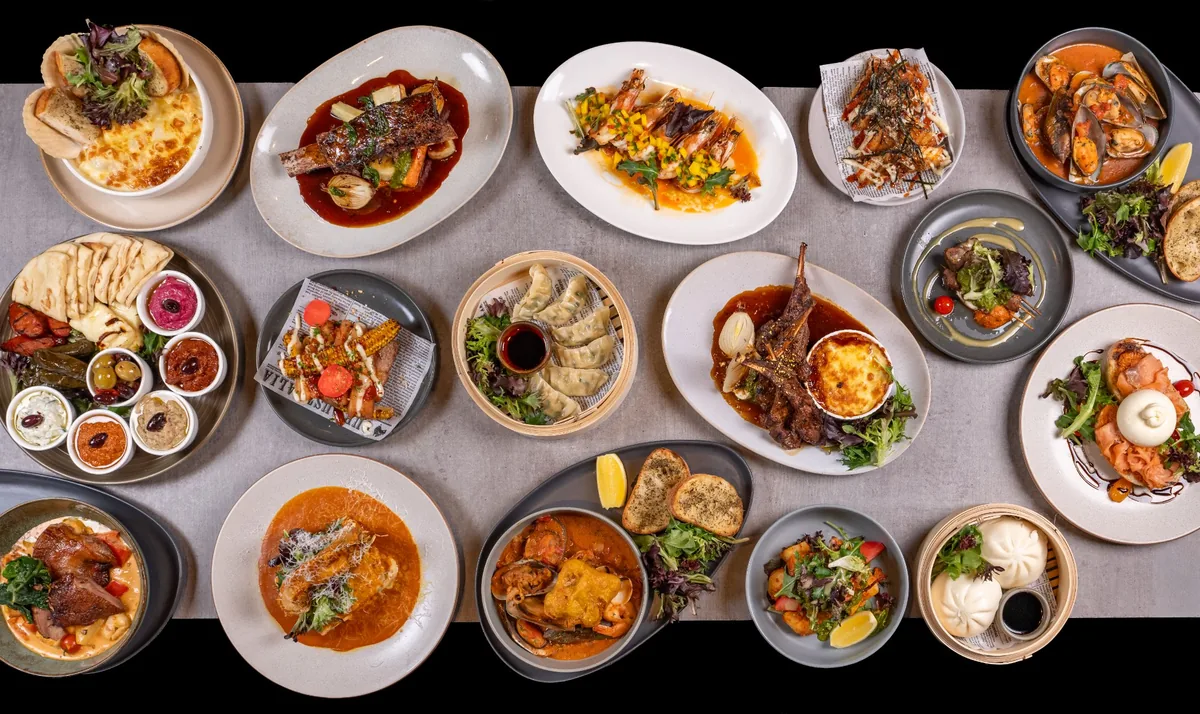
Moreton Bay bugs Brisbane diners consistently rank among Queensland’s most underrated seafood experiences. A species of slipper lobster (Thenus orientalis) native to the shallow coastal waters of southeast Queensland. Despite the name, they have nothing to do with insects — they’re a flathead crustacean with a broad, armoured body, two small claws, and a thick, meaty tail that’s the entire point of eating them. If you’ve spent time in Queensland and never ordered one, you’ve been missing something quietly exceptional.
Table of Contents
Not a Lobster, Not a Prawn — Something Better
People who encounter Moreton Bay bugs for the first time often reach for the nearest comparison: they look vaguely like lobster, they’re served like prawns, so they must taste somewhere in between. The reality is more interesting than that — and for Moreton Bay bugs Brisbane diners have the advantage of proximity to their source.
The flesh is denser and sweeter than either. Where a rock lobster can run rich and slightly briny, bugs carry a cleaner, almost buttery sweetness that holds up beautifully to high heat without turning tough. The texture sits closer to a scallop than a prawn — firm but yielding, never rubbery when cooked correctly. And because you’re eating only the tail, there’s no wrestling with shells or claws. The eating is straightforward and the flavour-to-effort ratio is very high.
Size-wise, a whole bug typically runs between 150–300 grams, making them satisfying as a main course or generous as part of a seafood platter shared between two.
Where Moreton Bay Bugs Come From
The name points directly at the source: Moreton Bay, the large estuarine bay that shelters Brisbane’s eastern coastline between the mainland and Stradbroke Island. The bugs live in shallow, sandy-muddy seabeds at depths of roughly 5–30 metres, feeding on organic matter along the bottom. The same warm, nutrient-rich conditions that make southeast Queensland’s waters so productive for prawns and mud crabs also produce bugs of exceptional quality. This is why the best Moreton Bay bugs Brisbane seafood restaurants can offer are always Queensland-sourced, not imported.
They’re caught year-round, but the peak season runs from late spring through summer — roughly October to February — when the water is warmest and bugs are most active. Outside peak season they’re still available, though supply can tighten and the price reflects it. A good restaurant sources daily from local fishmongers who maintain direct relationships with Queensland trawlers, which is the only way to guarantee the freshness the flavour demands.
How to Cook and Eat Moreton Bay Bugs
The classical preparation is deceptively simple: split the bug in half lengthways, brush the cut flesh with herb butter — typically a compound of softened butter, garlic, flat-leaf parsley, and lemon — then cook it cut-side down over high heat. Done well, the shell chars lightly, the butter foams and browns into the flesh, and the natural sweetness concentrates rather than dilutes.
You can also cook them whole and let diners split them at the table, which preserves more moisture during cooking but sacrifices some of that caramelised surface flavour. Most seafood kitchens prefer the halved method for the same reason a good steakhouse sears on cast iron: direct contact with high heat builds flavour that gentle cooking cannot.
For wine, the rule is simple: go citrus-forward and stay dry. A Hunter Valley Semillon with its lemon-curd acidity is a near-perfect pairing. Clare Valley Riesling works just as well — the lime and slate notes cut through the butter without competing with the sweetness of the flesh. An unoaked or lightly oaked Chardonnay is the more forgiving choice if you’re ordering for the table. If you’re putting together a full spread with fresh oysters alongside, a bottle of Semillon or sparkling will carry the whole table.
How We Prepare Them at Sage Yellowfin
At Sage Yellowfin, Moreton Bay bugs are sourced from Queensland daily and cooked over a char-grill with herb butter. The choice of char-grilling over a flat-top or oven finish is deliberate: it introduces a faint smokiness that frames the sweetness of the flesh without masking it, and the radiant heat from the grill cooks the tail evenly from the outside in, keeping the centre just-set rather than overdone.
The herb butter used here is kept clean — butter, garlic, lemon, parsley — because the goal is to amplify what’s already in the bug, not to distract from it. The result is the best Moreton Bay bugs Brisbane has seen — a dish that tastes emphatically of Queensland: coastal, fresh, slightly indulgent, and best eaten without much ceremony.
It’s the kind of dish that suits a relaxed long lunch For anyone searching for Moreton Bay bugs Brisbane’s South Bank is the obvious destination — Sage Yellowfin has been serving them daily since 2013. as well as it does a date night in South Bank — easy to share, easy to appreciate, and genuinely representative of what Queensland seafood is capable of.
Moreton Bay Bugs Brisbane: Where to Eat Them
If you want to eat Moreton Bay bugs properly — char-grilled, sourced daily, at a restaurant that takes Queensland seafood seriously — they’re on the current menu at Sage Yellowfin, 24/164 Little Stanley Street, South Bank. You can book a table online, or walk in and ask what’s come off the trawler that day.
Frequently Asked Questions
Are Moreton Bay bugs available year-round?
Yes. Moreton Bay bugs Brisbane restaurants serve year-round. The peak season runs from late spring through summer (October–February), when Queensland trawlers bring in the best volumes. Outside of that window they’re still caught and available at quality seafood restaurants, but they may be priced higher and supply can be less consistent.
What’s the difference between Moreton Bay bugs and Balmain bugs?
Both are slipper lobsters, but they’re different species. Balmain bugs (Ibacus peronii) are caught in NSW and southern Queensland waters and tend to be slightly smaller with a more delicate flavour. Moreton Bay bugs are considered the superior eating species by most Queensland seafood cooks — meatier, sweeter, and they hold up better to the high heat of a char-grill.
What wine goes with Moreton Bay bugs?
Lean toward dry whites with natural acidity and citrus character. Hunter Valley Semillon is the classic Queensland pairing — bright enough acidity to balance the richness of herb butter without overpowering the sweetness of the flesh. Clare Valley Riesling is an excellent alternative. A dry sparkling will cover the most ground if the table is sharing a broader seafood spread.